

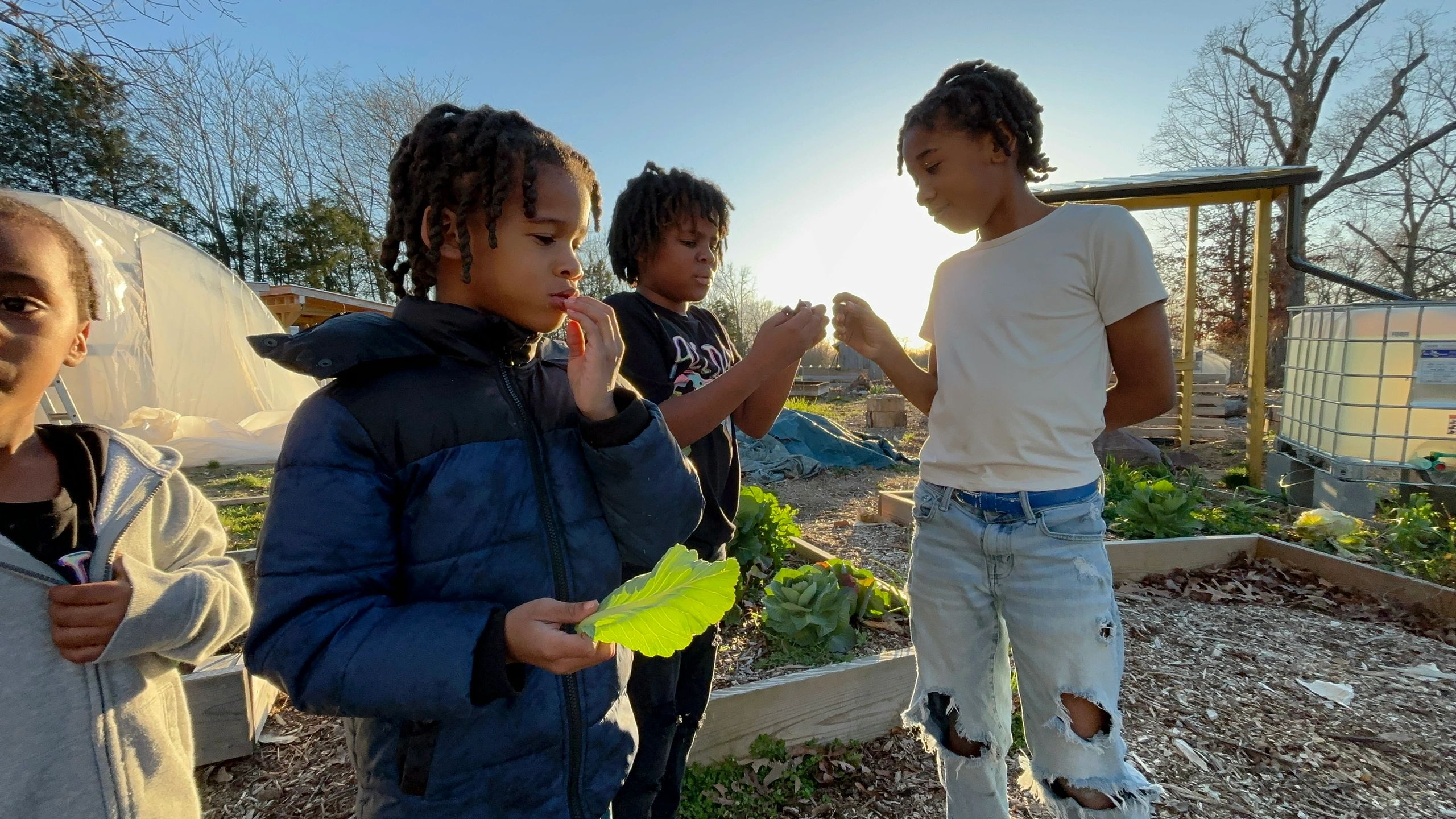
The concept of a family farm experience in Petersburg is not just about visiting a farm; it's about immersing oneself in the joys of rural life, understanding agricultural practices, and creating memories with loved ones. This article provides a step-by-step guide to planning and enjoying a family farm experience in Petersburg, ensuring you make the most of your visit.
Understanding the Benefits of a Family Farm Experience
A family farm experience offers numerous benefits, from educational opportunities to bonding moments. It's a chance for families to disconnect from the hustle of city life and reconnect with nature. Children and adults alike can learn about where their food comes from, the importance of sustainable farming practices, and the daily lives of farmers.
- Educational Value: Learn about agriculture, animal husbandry, and sustainability.
- Family Bonding: Engage in activities that require teamwork and cooperation.
- Physical Activity: With activities like feeding animals and harvesting crops, it's a fun way to get exercise.
- Mental Well-being: The tranquility of the farm environment can reduce stress and promote relaxation.
Exploring Seasonal Activities
Farms in Petersburg offer a variety of activities that change with the seasons, providing an ever-evolving experience for visitors.
- Spring Planting: Participate in sowing seeds and learn about crop cycles.
- Summer Harvesting: Experience the joy of picking fruits and vegetables fresh from the vine.
- Autumn Festivals: Enjoy pumpkin picking, hayrides, and corn mazes.
- Winter Workshops: Attend classes on preserving produce and making holiday crafts.
Phase 1: Planning Your Visit
Before heading out, it's crucial to plan your family farm experience effectively. This phase involves researching farms, prioritizing activities, and preparing for the trip.
Researching Available Farms
Start by identifying farms that offer family experiences. Look for farms that have good reviews, a variety of activities, and are within a reasonable distance.
- Online Search: Use search engines to find farms near Petersburg.
- Word of Mouth: Ask friends or community groups for recommendations.
- Social Media: Check platforms like Facebook or Instagram for farm profiles and visitor reviews.
Prioritizing Activities
Different farms offer different experiences. Some might focus on animal interaction, while others may offer educational tours or workshops.
- Animal Interactions: Feeding and petting zoo activities.
- Agricultural Tours: Guided walks explaining crop cultivation.
- Workshops: Hands-on activities like cheese making or planting.
Phase 2: Preparing for the Day
Once you've selected a farm and activities, preparation is key to ensuring you and your family have an enjoyable experience.
Packing Essentials
Pack items that will keep you comfortable and prepared for a full day outdoors.
- Clothing: Wear comfortable, weather-appropriate clothes and sturdy shoes.
- Snacks and Water: Keep hydrated and energized, especially if the farm doesn't provide meals.
- Camera: Capture the memories with photos.
Health and Safety
Ensure everyone is safe and healthy during the visit.
- Sunscreen: Protect your skin from UV rays.
- First Aid Kit: Handle minor injuries on the spot.
- Allergy Medications: Be prepared for any allergic reactions, especially around animals or plants.
Phase 3: Engaging in Farm Activities
On the day of your visit, it's time to immerse yourself in the farm activities. Here are some common experiences you might encounter.
Animal Encounters
Animal interactions are a highlight of the family farm experience. They provide educational and emotional benefits for children.
- Feeding Animals: Learn about animal diets and care.
- Petting Zoo: Get up close with friendly farm animals like goats and sheep.
- Pony Rides: A thrilling experience for young children.
Learning and Discovery
Many farms offer educational tours that showcase their operations and explain sustainable practices.
- Guided Tours: Follow a farmer as they explain their daily tasks and challenges.
- Hands-on Workshops: Participate in activities like planting seeds or making butter.
- Interactive Displays: Use touchscreens or exhibits to learn more about farming techniques.
Special Events and Celebrations
Some farms host special events that can enhance your visit, especially if you plan it around these occasions.
- Farm-to-Table Dinners: Enjoy meals prepared with fresh farm ingredients, often featuring local chefs.
- Harvest Festivals: Celebrate the bounty of the season with music, games, and community activities.
- Workshops on Crafts: Engage in making crafts using farm materials, such as wreaths or homemade candles.
Phase 4: Reflecting on the Experience
After your visit, take the time to reflect on what you learned and experienced. This reflection can enhance the value of the trip and reinforce the lessons learned.
Discussing as a Family
Encourage family members to share their thoughts and feelings about the trip.
- Share Highlights: Discuss favorite moments and activities.
- Lessons Learned: Talk about new knowledge gained about farming and nature.
- Future Plans: Consider how the experience might influence future decisions or hobbies.
Sharing Memories
Share your experiences with others through social media or personal interactions.
- Social Media Posts: Post photos and stories about the trip.
- Family Gatherings: Share stories and encourage others to visit.
- Community Engagement: Promote awareness of local farms and support for local agriculture.
Beyond the Farm: Supporting Local Agriculture
After experiencing the farm life firsthand, you might be inspired to support local agriculture in additional ways.
- Join a CSA: Community Supported Agriculture (CSA) programs allow you to receive regular shares of farm produce.
- Visit Farmers' Markets: Buy produce directly from local farmers to support their livelihoods.
- Volunteer: Offer your time at local farms or community gardens.
- Advocate: Raise awareness about the importance of sustainable agriculture practices in your community.
Additional Tips for an Immersive Farm Experience
To make the most of your family farm adventure, consider these additional tips:
- Engage with Farmers: Take time to talk with the farmers and learn directly from their experiences and stories. This personal connection can deepen your understanding and appreciation of farm life.
- Document Your Journey: Create a family journal documenting your visit, including sketches, notes, and reflections. This can be a fun project for children and a keepsake for years to come.
- Incorporate Learning: Bring educational materials such as books or guides on farming and nature to enhance your family's learning experience.
- Plan for All Weather: Be prepared for changing weather conditions by packing rain gear or sun hats, ensuring that the weather doesn't hinder your experience.
Exploring Farm-Based Education
Farm-based education programs are becoming increasingly popular as families seek to integrate learning with practical experiences. Many farms offer structured educational programs that cater to different age groups and learning objectives.
- School Trips: Many farms collaborate with schools to offer curriculum-aligned programs that enhance students' understanding of biology, ecology, and sustainability.
- Homeschool Resources: Farms may provide resources and tailored experiences for homeschooling families looking to enrich their science and environmental studies.
- Workshops for Adults: Beyond family-focused activities, adults can participate in workshops to learn about advanced topics such as organic farming techniques or permaculture design.
FAQ
What should I wear for a farm visit?
Wear comfortable clothing and sturdy shoes. Check the weather forecast and dress accordingly, bringing layers if necessary.
Are farm experiences safe for young children?
Yes, most farms are family-friendly and have safety measures in place. However, always supervise young children, especially around animals.
Do farms provide meals or snacks?
Some farms offer meals or have picnic areas, but it's advisable to bring your own snacks and water.
How long should we plan to stay at the farm?
Plan for at least half a day to a full day, depending on the farm's activities and your interests.
Can we buy farm products during our visit?
Many farms have markets where you can purchase fresh produce, dairy products, and handmade goods.
What is a CSA and how can it benefit my family?
A CSA, or Community Supported Agriculture, allows families to receive fresh, seasonal produce directly from local farms. It's a great way to support farmers and enjoy nutritious, locally grown food.
Key Takeaways
- Plan Ahead: Research farms and activities to maximize your experience.
- Prepare Well: Pack essentials like snacks, water, and weather-appropriate clothing.
- Engage Fully: Participate in all available activities for a comprehensive experience.
- Reflect and Share: Discuss the experience with family and share memories with others.
Conclusion
Embarking on a family farm experience in Petersburg offers a unique blend of education, fun, and family bonding. By following this guide, you can ensure a memorable and enriching experience that not only entertains but also educates. To further explore how such experiences can benefit your community or organization, consider exploring consulting options for tailored advice.
Resources & References
- Agriculture.com — Provided insights into educational farming experiences.
- Farm Aid — Offered information on sustainable farming practices.
- USDA National Agricultural Library — Helped with facts on the benefits of farm visits for families.
- Virginia Tourism Corporation — Source for local farm tourism opportunities.
- Local Harvest CSA Information — Information on joining a CSA and supporting local agriculture.
- National Sustainable Agriculture Coalition — Additional resource on sustainable practices and policies.
- Ag in the Classroom — Offers educational resources and programs for integrating farm-based learning.